
Green Fuel Applications (biofuels, hydrogen)
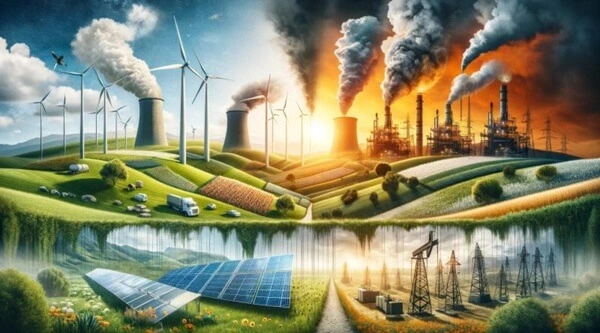
In 2025, the application of Green Fuels like biofuels and hydrogen is revolutionizing industrial heating and power, particularly in sectors where simple electrification is difficult. For your work at Intelligent Soft and RetexHub, these technologies represent the "next frontier" of decarbonization beyond solar and wind.
1. Biofuels: The Immediate TransitionBiofuels are liquid, gaseous, or solid fuels derived from biomass (plants and organic waste). They are popular in Bangladesh because they can often be used in existing machinery with minor modifications.Renewable Diesel (HVO): A "drop-in" replacement for petroleum diesel. In 2025, factories are using HVO in their backup generators to reduce $CO_2$ emissions by up to 85% without needing to replace the engine.Biogas (Gaseous Biofuel): Produced via anaerobic digestion of food waste or ETP sludge. This gas is being used in factory canteens or co-fired in gas generators to reduce reliance on the national gas grid.Biomass Pellets: Standardized fuel made from compressed sawdust or agricultural residue (like rice husks). These are used in Automated Feeding Boilers, providing a more consistent and efficient heat source than loose biomass.
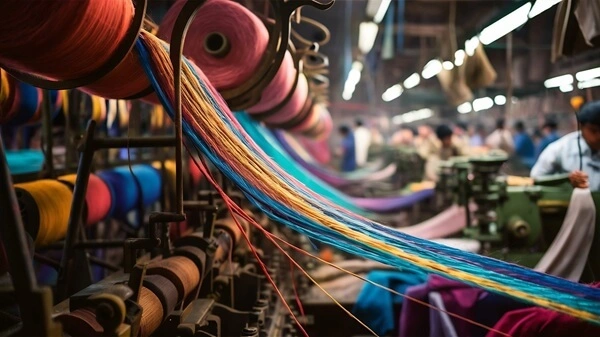
2. Green Hydrogen: The "Cleanest" FuelGreen Hydrogen ($H_2$) is produced by splitting water ($H_2O$) into hydrogen and oxygen using renewable electricity through a process called electrolysis.Thermal Energy for Dyeing: Hydrogen burns at extremely high temperatures and produces zero $CO_2$ (only water vapor). This makes it the ideal replacement for natural gas in the large boilers used for textile wet processing.On-site Production: Some "Green" factories in Bangladesh are piloting on-site electrolyzers. They use excess solar power during the day to produce hydrogen, which is then stored and burned at night for steam generation.Decarbonizing Synthetics: Hydrogen is a key ingredient in making synthetic fibers like polyester. Using "Green" hydrogen instead of "Grey" (fossil-fuel based) hydrogen can reduce the carbon footprint of a polyester garment by over 30%.













Georgia Reader Reply
Et rerum totam nisi. Molestiae vel quam dolorum vel voluptatem et et. Est ad aut sapiente quis molestiae est qui cum soluta. Vero aut rerum vel. Rerum quos laboriosam placeat ex qui. Sint qui facilis et.